

Strabismus
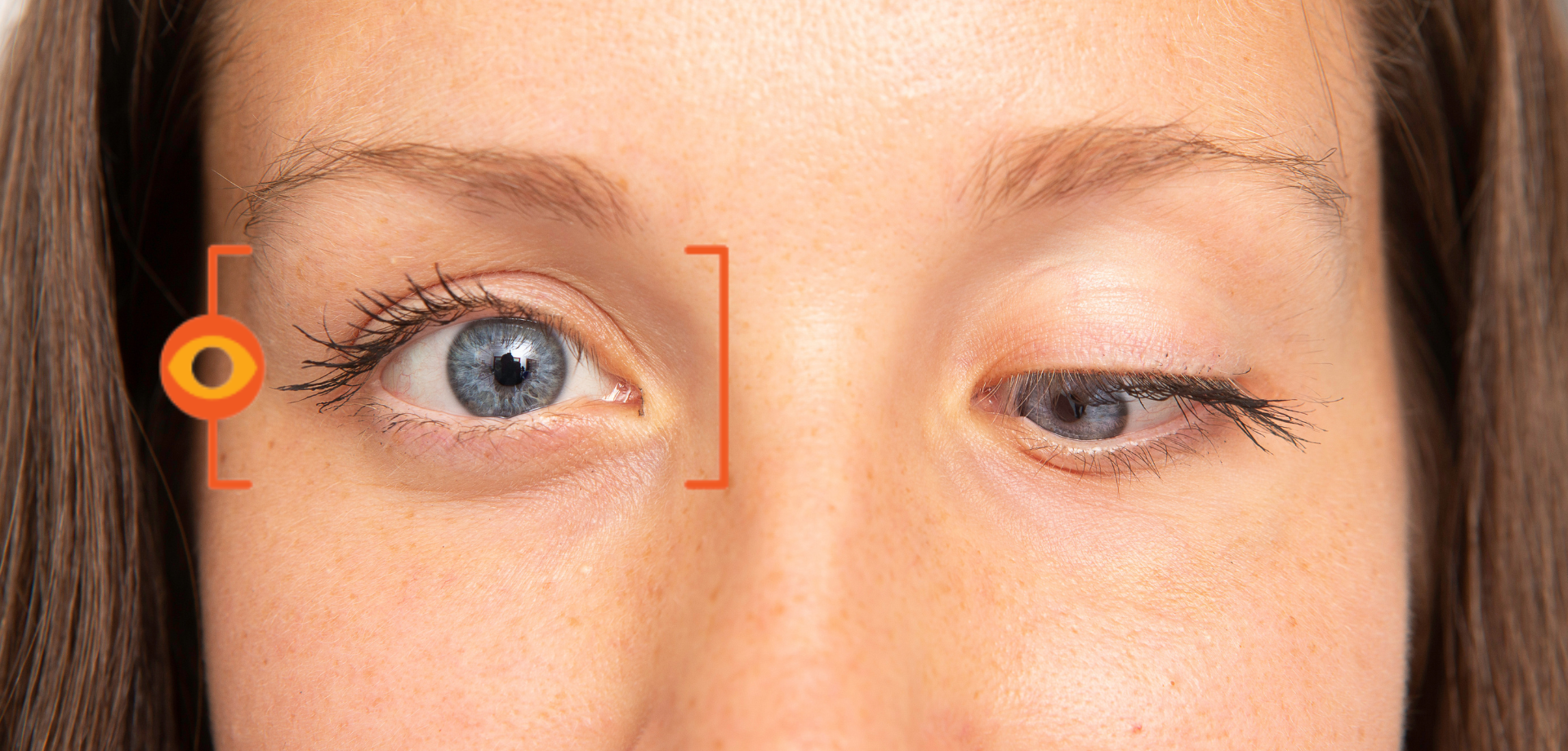
Strabismus refers to a misalignment of the eyes where one does not appear straight. The misaligned eye may appear to drift inwards (esotropia), outwards (exotropia), up (hypertropia) or downwards (hypotropia).
At times, you may notice it may not be isolated to one eye, but that either eye could drift and become misaligned. Strabismus is also known as ‘squint’, ‘lazy eye’ or ‘crossed eye’. In some cases, strabismus may lead to symptoms such as double vision (diplopia), reduced depth perception (poor stereopsis), abnormal head posture, eye strain (asthenopia) and headaches.
There are many possible causes for strabismus, including congenital, neurogenic, stroke, facial or ocular trauma. It can also be the result of other medical conditions such as hyperthyroidism, myasthenia gravis or multiple sclerosis.
The multi-faceted nature of strabismus can mean that treatments for strabismus are not ‘one size fits all’. A thorough orthoptic examination as well as other investigations may be necessary to determine the best treatment option available for your needs. Treatment options can range from conservative management (prism or orthoptic exercises), glasses, botox or eye muscle surgery.