

Diabetic Retinopathy
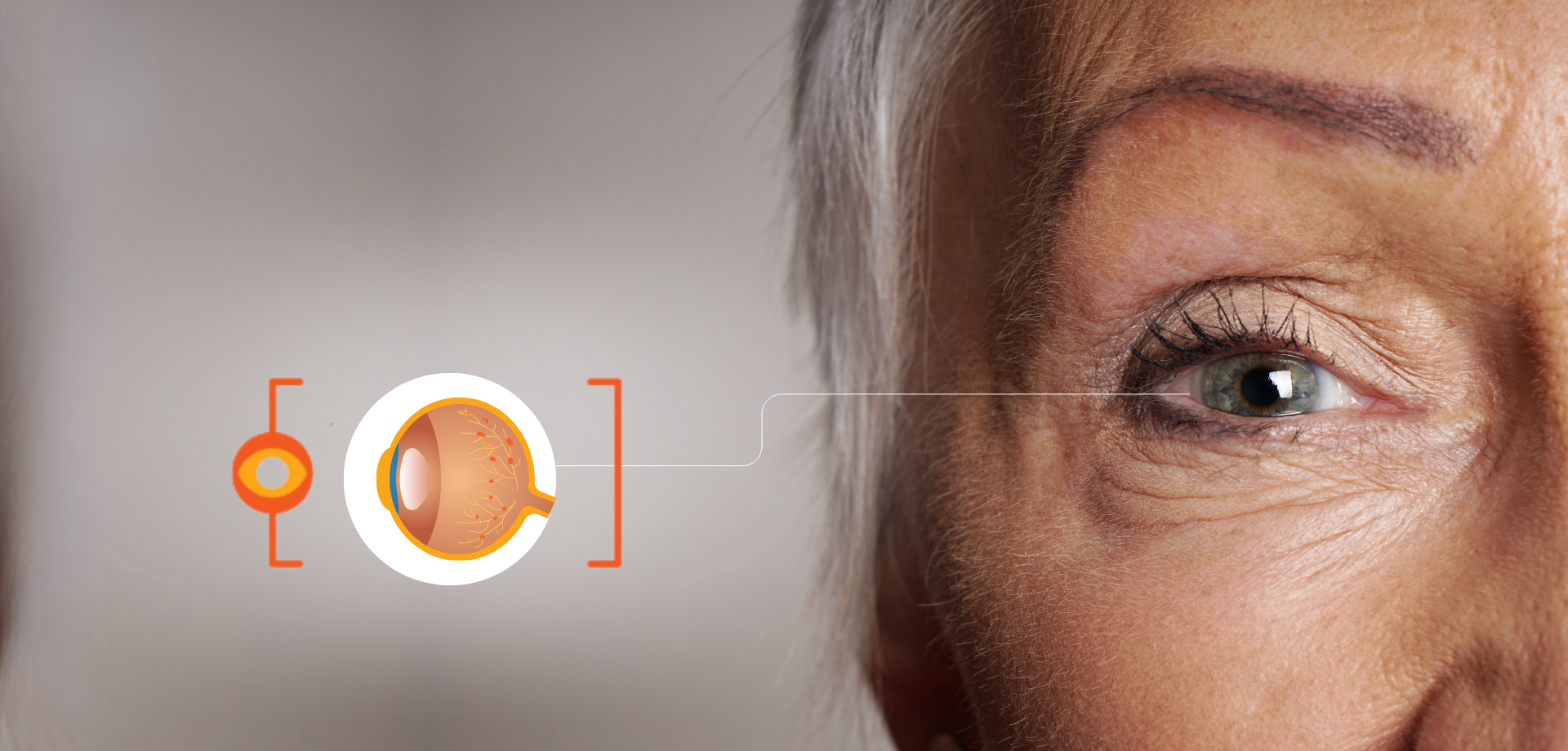
Diabetes affects how the body turns food into energy. A hormone called Insulin is normally produced to move glucose (sugar) from your blood into your cells where it is used for energy. In diabetes, the body either cannot use insulin properly or does not make enough insulin causing a build-up of sugar in the blood. High blood sugar can affect different organs such as kidneys, nerves, heart and eyes to name a few.
There are two main types of diabetes – Type 1 and Type 2. Type 1 diabetes usually starts in childhood and is where the body is unable to make insulin. Hence, these patients will need daily insulin injections. Type 2 diabetes is more common in adults where the body produces insulin but does not use it effectively.
Diabetes & The Eyes
Diabetic retinopathy is an ocular complication of uncontrolled high blood sugar resulting in damage to the small blood vessels at the back of the eye (retina). This damage can cause leakage of fluid of blood into the retina, reduced blood supply to the retina and growth of abnormal blood vessels as the eye tries to compensate for the damage created.
If untreated, these changes can affect vision. Early stages of diabetic retinopathy may be asymptomatic hence, patients with diabetes should have a dilated fundus examination to check for any diabetic related changes at least every 12 months.
Symptoms of diabetic retinopathy include
- Dark spots or floaters
- Issues with reading or fine details
- Blurry vision
- Fluctuating vision
Diabetic macula oedema (DMO)
Occurs when fluid builds up at the macula. DMO can develop at any stage of diabetic retinopathy and is a common cause of blurred central vision in patients with diabetes. Intravitreal injections can be used to treat DMO as they can help reduce swelling and any abnormal blood vessel growth.
Good blood sugar control is essential to protect eye health. Your optometrist or ophthalmologist will work closely with you and your GP to ensure tight blood sugar control to reduce the potential for vision loss.