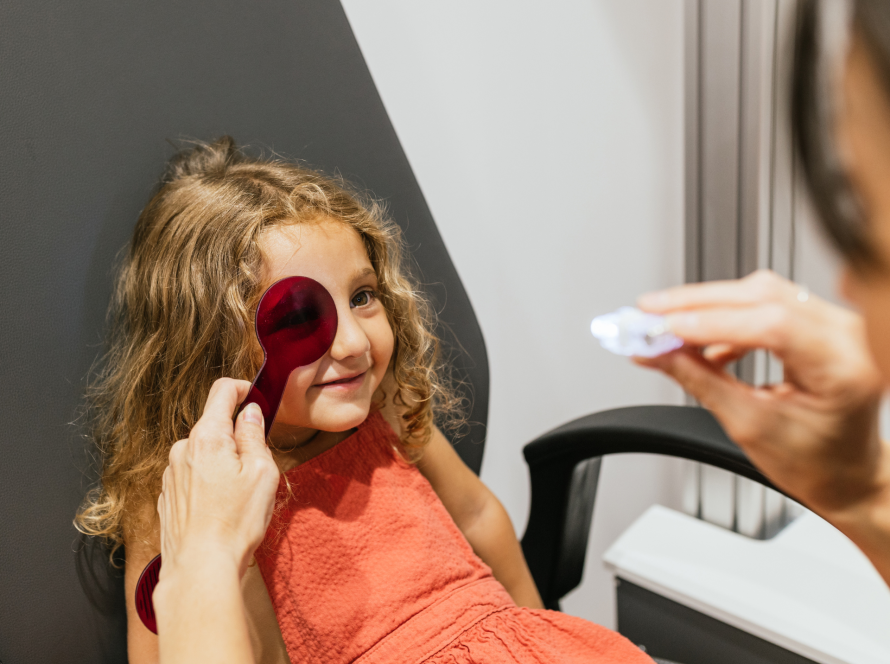
Many people only book an eye appointment when their vision becomes blurry or they feel it is time for a new pair of glasses. But an eye examination is about much more than checking how well you can see. It can provide valuable insights into the health of your eyes and help detect problems long before they cause noticeable symptoms.
While many healthy adults may only need an eye examination every two to three years, some people benefit from more frequent reviews. Annual eye exams are often recommended for those with diabetes, a higher risk of glaucoma, existing eye conditions, changing vision, or certain health concerns. Your optometrist or ophthalmologist can advise how often your eyes should be checked based on your individual needs.
What can an annual eye exam detect?
1. Eye conditions before symptoms develop
Many eye diseases develop slowly and quietly. In their early stages, conditions such as glaucoma, cataracts, macular degeneration, and retinal diseases may not cause pain or obvious changes in vision.
Regular eye examinations can help identify early signs of these conditions before they begin to affect your sight. While early detection cannot always prevent vision loss, it gives your eye care team the opportunity to monitor changes closely and recommend appropriate treatment or management when needed.
2. Changes in your glasses prescription
Your eyesight can change gradually over time, often without you noticing it. An eye examination can determine whether your current glasses or contact lens prescription is still meeting your visual needs. An outdated prescription may contribute to:
- Blurry or inconsistent vision
- Headaches and eye strain
- Difficulty reading or using digital devices
- Reduced confidence when driving
- Challenges seeing clearly at work, school, or during sport
Updating your prescription can make everyday tasks more comfortable and help you see more clearly and confidently.
3. Diabetes-related eye changes
Diabetes can affect the tiny blood vessels in the retina, the light-sensitive tissue at the back of the eye. This condition, known as diabetic retinopathy, often develops without obvious symptoms, particularly in its early stages.
Because changes can occur before you notice any difference in your vision, regular eye examinations are an important part of diabetes management. Depending on your individual risk factors and whether any retinal changes are present, your eye care professional will recommend how often your eyes should be reviewed.
Alongside monitoring blood glucose levels, blood pressure and cholesterol, regular eye checks can help protect your long-term vision.
4. Age-related and family history risks
As we get older, the risk of certain eye conditions naturally increases. Family history also plays an important role.
If close relatives have been diagnosed with glaucoma, macular degeneration or other eye diseases, you may be at greater risk yourself and benefit from more regular monitoring.
Your recommended examination schedule should be tailored to your personal circumstances, including your age, overall health, medications, and family history. What is appropriate for one person may not be suitable for another.
Who may need annual eye examinations?
Annual eye examinations may be recommended if you:
- Have diabetes or diabetic eye disease
- Have glaucoma, macular degeneration or another diagnosed eye condition
- Have a strong family history of eye disease
- Have noticed recent changes in your vision
- Have previously undergone eye surgery or experienced eye trauma
- Take medications that may affect eye health
- Have high blood pressure or other health conditions linked to eye disease
- Have been advised by your eye care professional to attend yearly reviews
For people living with existing eye conditions, annual appointments are particularly important. They allow your specialist to track changes over time and adjust treatment plans when necessary.
When should you book an appointment?
Regular eye examinations are important, but some symptoms require prompt attention and should not wait for your next routine visit.
Seek urgent medical assessment if you experience:
- Sudden vision loss
- New flashes of light or floaters
- A dark shadow or curtain across your vision
- Severe eye pain
- Significant redness
- Double vision
For routine eye care, speak with your optometrist or ophthalmologist about the examination schedule that is right for you. Regular eye checks can help detect problems earlier, ensure your prescription remains accurate and support healthy vision for years to come.
Looking after your eyes starts with regular check-ups
Good vision is something most of us rely on every day, often without thinking about it. Regular eye examinations are one of the simplest ways to protect your eyesight and identify potential problems before they become more serious.
Even if your vision seems fine, an eye examination can provide reassurance that your eyes are healthy and functioning at their best.