How Can You Support People Who Are Blind or Have Low Vision?
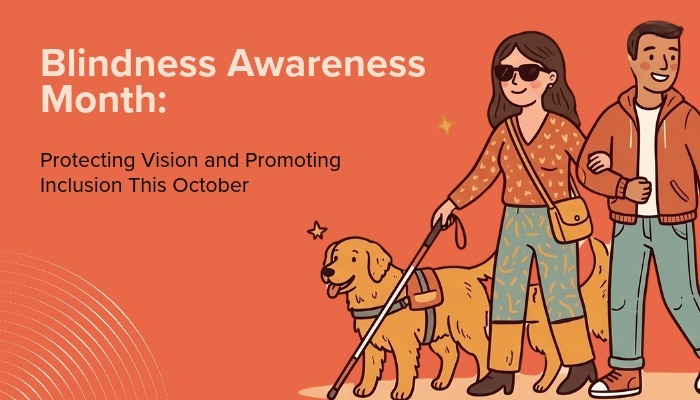
October is Blindness Awareness Month, a time to raise awareness about eye health and the importance of eye examinations, to dispel myths and help break down barriers for the blind and vision impaired in the community.
This month, Australian communities celebrate confidence, connection and independence, including activities which encourage and enable greater inclusion of blind and vision impaired people in our society.
Awareness is about more than just preventing blindness and vision loss. It’s about understanding that people have different needs and that everyone is entitled to access healthcare, education, employment and services in an inclusive environment. This October, let’s remember to focus on our family’s eye health, and think about how we can all play a part in making our community more inclusive too.
What is blindness awareness month?
Blindness Awareness Month aims to raise awareness around blindness, low vision, and the impact on people’s lives. October also has World Sight Day, which falls on the second Thursday of the month and focuses on eye health.
For Australian families, it can be a good reminder to get eyes checked, learn about warning signs and access services. It is also an opportunity to listen to those who may be facing a sight loss, rather than making assumptions about their abilities.
Does blindness always mean complete sight loss?
No. Blindness does not always mean total loss of vision. Many blind people do actually have some eyesight, just not enough to perform certain activities or functions.
Low vision is not the same thing as total blindness. This term is used to describe vision that is impaired beyond the ability of normal glasses or contacts to correct, and it adversely affects everyday activities.
Everyone experiences low vision differently. One person may have normal peripheral vision but lose central vision, while another may have a problem with glare. You can’t tell just by looking how much vision a blind person has.
What causes blindness and vision loss?
Common causes include age-related macular degeneration, glaucoma, cataracts, and diabetic retinopathy.
- Macular degeneration affects central vision used for reading and recognising faces.
- Glaucoma damages the optic nerve and often affects peripheral vision first.
- Cataracts cloud the eye’s lens, causing blurred vision and glare.
- Diabetic retinopathy damages blood vessels in the retina.
Inherited conditions, injuries, and conditions present from birth can also cause sight loss. Vision problems are not limited to older adults, so assessment matters across all ages.
Can blindness be prevented or treated?
Some causes of vision loss can be prevented or cured, but not all blindness and vision impairment can be avoided or treated. According to the Australian Government, approximately 90% of blindness and vision impairment is preventable or treatable when detected early enough.
This figure does not mean that there is a 90% chance of restoring one’s eyesight after treatment. Instead, it relies on the condition one has experienced vision loss from and how early the disease has been detected and successfully treated.
Routine eye exams can often help detect diseases before symptoms are even present. An example of such would be glaucoma, where the damage to one’s optic nerve cannot be undone, and treatment is only possible to prevent additional loss of vision.
How can you look after your eye health?
Ask your optometrist how often you need an examination, based on your age, family history, medical conditions and previous findings.
Other helpful steps include:
- Avoiding smoking.
- Wearing UV-protective sunglasses and a hat outdoors.
- Using suitable safety eyewear for hazardous activities.
- Eating a balanced diet and staying physically active.
- Managing diabetes, blood pressure, and cholesterol with your healthcare team.
Healthy habits support eye health, but they do not replace examinations or prescribed treatment. Tell your clinician about new symptoms rather than waiting until your next scheduled review.
When do vision changes need urgent assessment?
Sudden vision loss or a sudden change in vision requires immediate medical attention. Contact an eye care professional immediately; if unavailable, attend the nearest emergency department or call an ambulance.
Vision changes accompanied by facial drooping, weakness, or slurred speech may indicate a stroke and require emergency assistance.
Gradual changes, including difficulty reading or recognising faces, also deserve assessment. Do not dismiss them as an inevitable part of ageing.
How can we support people living with vision loss?
Support begins with acknowledging individual preferences and independence. Asking what assistance is required rather than making assumptions.
Resources such as magnifiers, accessible technology, occupational therapy plus orientation and mobility support are available through specialist low vision services such as Vision Australia and Blind Citizens Australia. These services enable people to engage in everyday tasks, be involved in their communities and achieve their goals.
Arrange an eye check with iSight Specialists. Make October a reminder to prioritise eye health. Contact iSight Specialists to discuss your concerns and arrange an appointment. Seek emergency care for sudden vision loss rather than waiting for a routine booking.