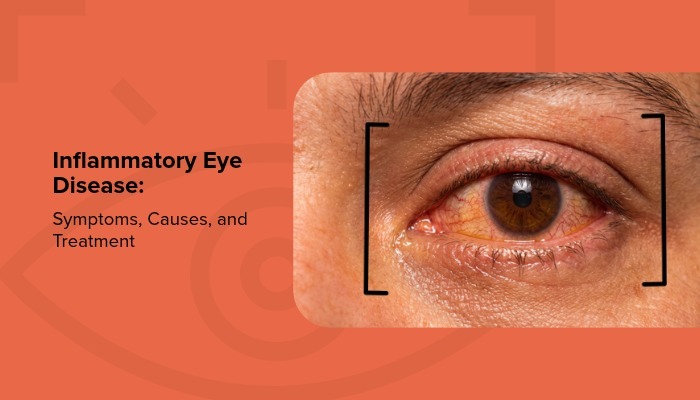
Understanding Inflammatory Eye Disease: Warning Signs and Eye Care Options
Inflammatory eye diseases encompass a range of conditions that involve inflammation of the ocular tissues. They can be categorised by the specific location of the inflammation and the structures of the eye affected. In addition, the conditions can present with various symptoms and signs, including painful eyes, redness, photophobia, and abnormal vision.
A painful or red eye is not necessarily a simple irritation and may indicate a more serious disease. Uveitis and scleritis are serious conditions that require timely evaluation and treatment. Early diagnosis and adequate management are crucial in cases of inflammatory eye disease since inflammation can permanently damage eye tissues.
What is Inflammatory Eye Disease?
Inflammatory eye disease refers to a range of conditions, rather than one specific diagnosis. It involves inflammation in different parts of the eye, and can have different causes, severity, and treatments.
Common examples include:
• Uveitis – inflammation in the middle layer of the eye, which often involves the uveal tract and its surrounding tissues
• Scleritis – inflammation of the eye’s tough white outer wall, or sclera
• Episcleritis – inflammation of the thin membrane covering the sclera, which is usually less severe
While similar in some ways, these conditions are not interchangeable, and an eye examination is needed to determine the cause and whether a relatively mild or sight-threatening problem is present.
What are the symptoms of eye inflammation?
Symptoms depend on which tissues are affected. Common warning signs include:
- Redness in one or both eyes.
- Eye pain or tenderness.
- Sensitivity to light.
- Blurred or reduced vision.
- New floaters, appearing as drifting spots or strands.
Symptoms of uveitis may develop suddenly or gradually. Scleritis can sometimes cause deep, severe pain, while episcleritis tends to be associated with redness and only occasional discomfort. The symptoms are not distinctive, so it may not be possible to identify the condition based on them; do not attempt to self-diagnose a painful red eye.
What causes inflammatory eye disease?
Eye inflammation can be caused by many factors, including infections, injuries, or an autoimmune response where the immune system attacks healthy cells in error. In some cases, an underlying trigger may not be identified.
Uveitis and scleritis can sometimes occur alongside other autoimmune conditions, such as ankylosing spondylitis, inflammatory bowel disease and sarcoidosis; rheumatoid arthritis is strongly linked with scleritis.
Be sure to share any existing health conditions, infections, injuries, and medications with your clinician, and report any additional symptoms such as joint pain, skin changes, and bowel problems. Having inflammation of the eyes does not automatically mean that you have an autoimmune condition.
When should you seek urgent eye care?
Seek urgent assessment for a painful red eye, marked light sensitivity, new floaters, or blurred vision. Do not assume these symptoms are simply conjunctivitis or eye strain.
Sudden vision loss or significant sudden vision changes require immediate medical attention. Go to the nearest emergency department; call for an ambulance.
Early assessment matters because untreated inflammation can lead to complications, including scarring, glaucoma, cataracts, and permanent vision damage.
How is Inflammatory Eye Disease treated?
Treatment will depend on the diagnosis and may include corticosteroid eye drops, dilating eye drops, oral medicine, injections, or immune-modifying therapies.
Infection-related inflammation may need antibiotics or antiviral medicine. Managing any contributing medical condition may be part of the treatment too.
Take your medicine as instructed and attend follow-up appointments. Inflammation and treatment with corticosteroids can increase eye pressure and/or cause cataracts, so it is important to attend follow-up appointments even after symptoms have resolved. Treatment may take time and may need to be continued for a long time. Conditions such as uveitis can sometimes flare up again after treatment has stopped.
Can inflammatory eye disease be prevented?
There are things that can’t be helped. But by sticking to your treatment plan and having your eyes examined and reviewing any return symptoms, you can prevent some issues.
Inflammation-related conditions should be managed jointly with your GP and other specialists to ensure that your eye condition doesn’t negatively affect the rest of your body.
Contact iSight Specialists to discuss an eye concern and arrange assessment. Describe any pain, redness, light sensitivity, or vision changes when booking. For sudden vision loss or severe symptoms, seek emergency care rather than waiting for a routine appointment.